
Rotori per centrifughe
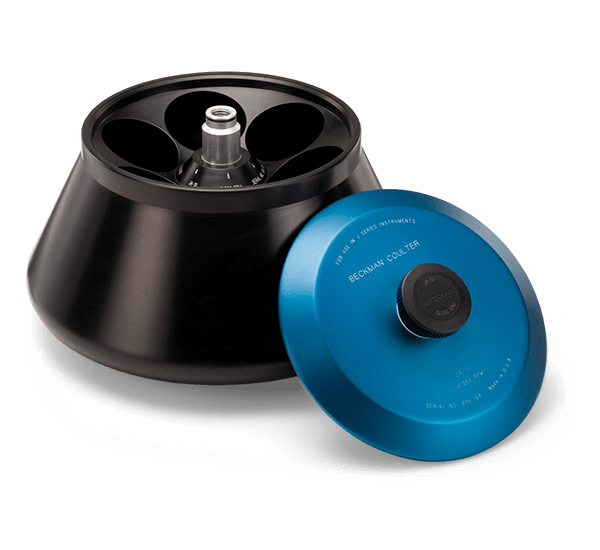
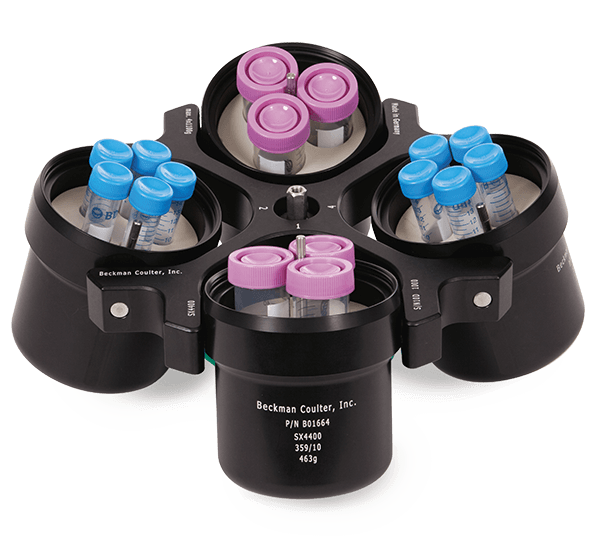
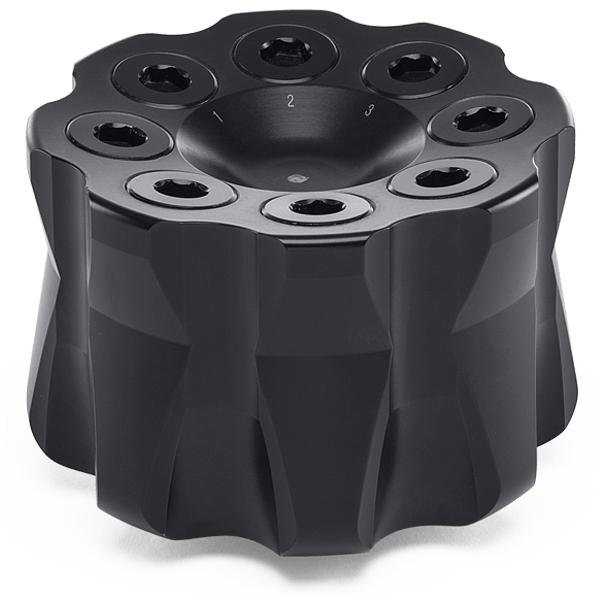
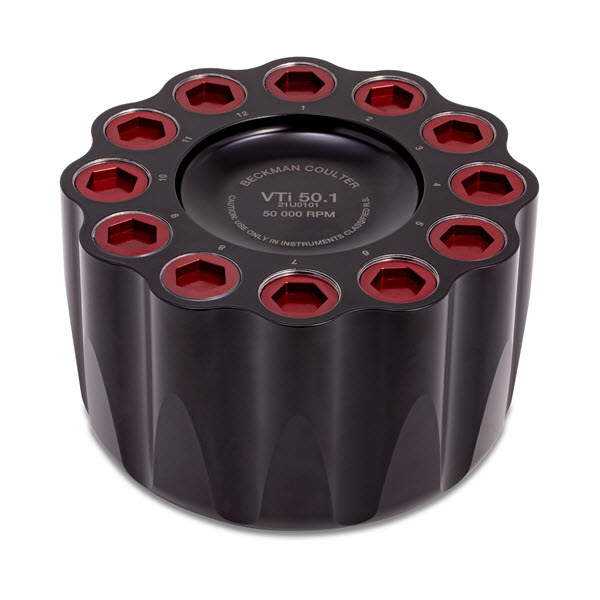
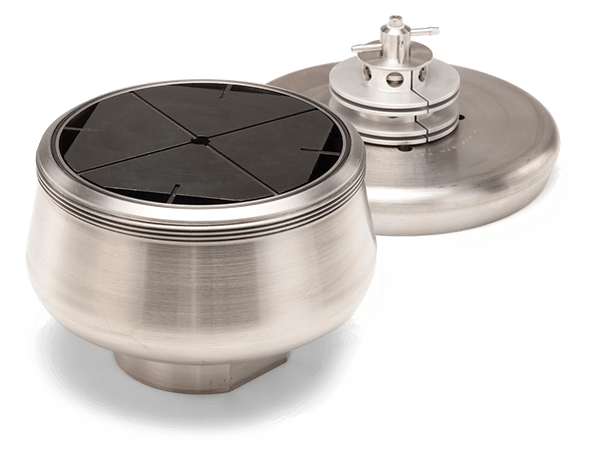
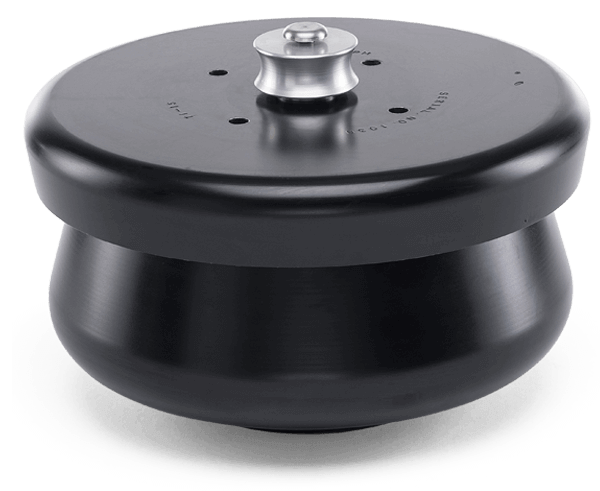
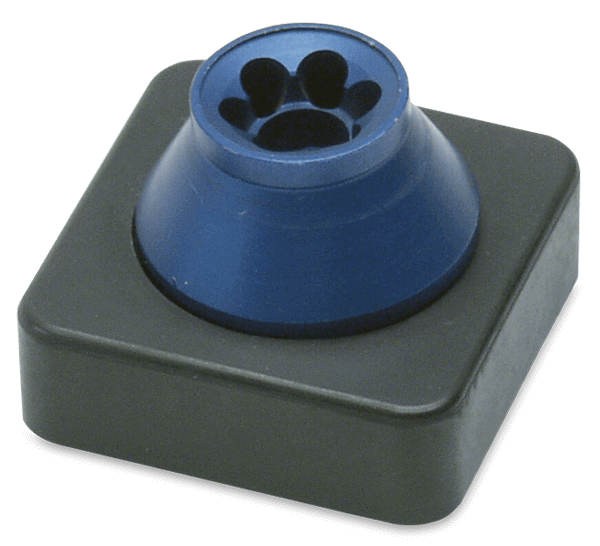
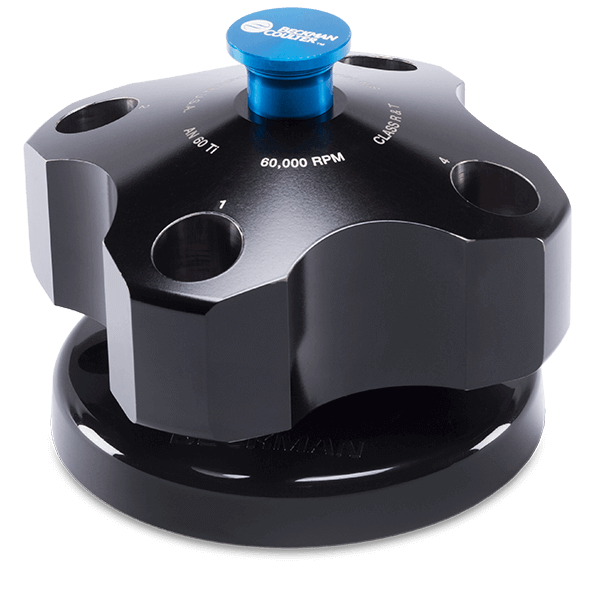
Il nostro ampio portafoglio di rotori permette di centrifugare diverse tipologie di supporti: dalle micropiastre ai microtubi fino alle bottiglie da 1 litro, per soddisfare ogni esigenza di laboratorio.
Progettati per diverse applicazioni sperimentali:
- Bioprocessing
- Biologia cellulare
- Diagnostica e clinica
- Biochimica delle proteine
- Drug discovery
- Isolamento di virus e nanoparticelle
Clicca qui per vedere come funziona il nuovo calcolatore Intellifuge

Intellifuge. Più di un semplice mezzo per “Rotor Calculator”
- Soluzioni compatibili per le applicazioni sperimentali
- Permette di applicare lo stesso protocollo cambiando tipologia di rotore
- Può comparare le diverse condizioni cercado la migliore soluzione applicativa
FAQ on Centrifuge Rotors
What is the difference between a fixed-angle rotor and a swinging-bucket rotor?
Fixed-angle rotors hold tubes at a constant angle and are commonly used for rapid pelleting applications. Swinging-bucket rotors allow tubes to swing into a horizontal position during centrifugation, making them well suited for density-gradient separations, improved sample layering, and higher-resolution fractionation.
What is a continuous flow rotor used for?
Continuous flow rotors are designed for processing large sample volumes without repeatedly stopping the centrifuge. They are commonly used for harvesting cells, viruses, organelles, and biological products in research and bioprocessing applications.
How do I choose the right centrifuge rotor for my application?
Choosing the right centrifuge rotor depends on factors such as sample volume, particle size, required throughput, centrifugation method, and desired separation outcome. Fixed-angle rotors are often preferred for pelleting, while swinging-bucket, vertical, and continuous flow rotors are selected for specialized separation and large-volume processing workflows.
What are the main types of centrifuge rotors?
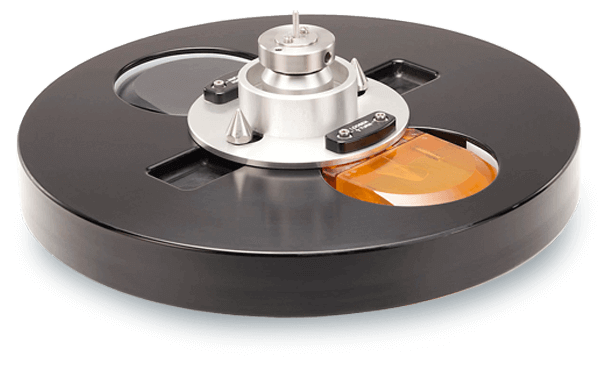
The main types of centrifuge rotors include fixed-angle, swinging-bucket, vertical, near-vertical, zonal, continuous flow, analytical ultracentrifuge, and elutriation rotors. Each rotor design is optimized for specific separation methods, sample volumes, and performance requirements.
When should a vertical rotor be used in centrifugation?
Vertical rotors are typically used for isopycnic and density-gradient separations in ultracentrifugation workflows. Their design minimizes particle travel distance, helping reduce run times while maintaining efficient separation performance.
